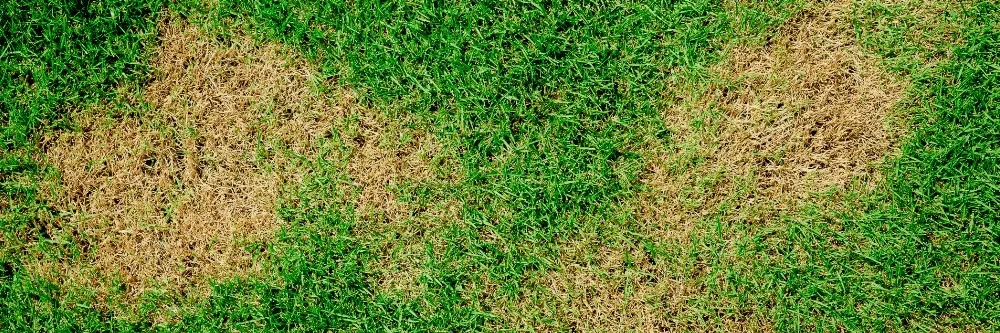
Dormant turf refers to grass that has temporarily stopped growing due to cold temperatures. In Northern Virginia, cool season grasses such as tall fescue enter dormancy once soil temperatures consistently drop below 50 degrees.
Dormancy is not dead grass. It is a survival mode. When handled correctly, dormant turf rebounds strong and healthy in spring. When neglected or stressed, it can lead to thinning, bare patches, weed invasion, and expensive repairs once temperatures rise.
Understanding how to protect dormant turf is one of the most important steps homeowners can take during winter.
Common Winter Threats to Dormant Turf
Northern Virginia winters bring unique challenges that directly impact lawn health.
Freeze Thaw Cycles
Repeated freezing and thawing can heave soil and expose grass roots, weakening turf density and causing uneven surfaces.
Soil Compaction
Foot traffic, pets, and vehicles compress frozen or saturated soil, limiting oxygen flow to grass roots and slowing spring recovery.
Snow Mold and Fungal Disease
Extended snow cover combined with poor drainage can lead to snow mold, which appears as matted gray or pink patches in early spring.
Improper Snow Removal
Plowing or piling snow repeatedly in the same areas can suffocate grass and cause turf dieback beneath heavy snow loads.
How to Protect Dormant Turf During Winter
Limit Foot Traffic on Dormant Grass
Dormant turf is fragile. Walking repeatedly across frozen grass can break blades and damage crowns. This is especially important during frost conditions.
Avoid Excessive Ice Melt on Lawns
Salt based ice melt can burn dormant turf and contaminate soil. Use turf safe deicers and avoid spreading melt products directly onto grass whenever possible.
Maintain Proper Drainage
Standing water during winter increases the risk of root rot and fungal issues. Addressing drainage problems now prevents larger turf failures in spring.
Keep Leaves and Debris Cleared
Matted leaves block sunlight and trap moisture, creating ideal conditions for lawn disease during dormancy.
Should You Fertilize Dormant Turf in Winter
This is one of the most searched questions for Northern Virginia homeowners.
Late fall fertilization can be beneficial, but applying fertilizer once turf is fully dormant is generally not recommended. Feeding dormant grass can stimulate weak growth at the wrong time, making turf more vulnerable to cold damage.
A professional lawn care provider can evaluate soil conditions and determine whether a late season treatment or spring pre emergent plan is more appropriate.
Why Dormant Turf Care Sets Up a Better Spring Lawn
Winter lawn care is about preparation, not appearance.
Proper dormant turf management leads to:
- Faster spring green up
- Stronger root development
- Reduced weed pressure
- Lower need for spring repairs or overseeding
- Healthier, more resilient turf throughout the growing season
Neglecting winter lawn care often results in patchy growth, weed infestations, and higher maintenance costs later.
Professional Dormant Turf Care in Northern Virginia
At Sunrise Landscape and Design, we help homeowners protect their lawns year round, even when growth has paused. Our winter services focus on turf preservation, drainage evaluation, and proactive care strategies designed specifically for Northern Virginia conditions.
If you want your lawn to come back stronger in spring, winter is where that success begins.